
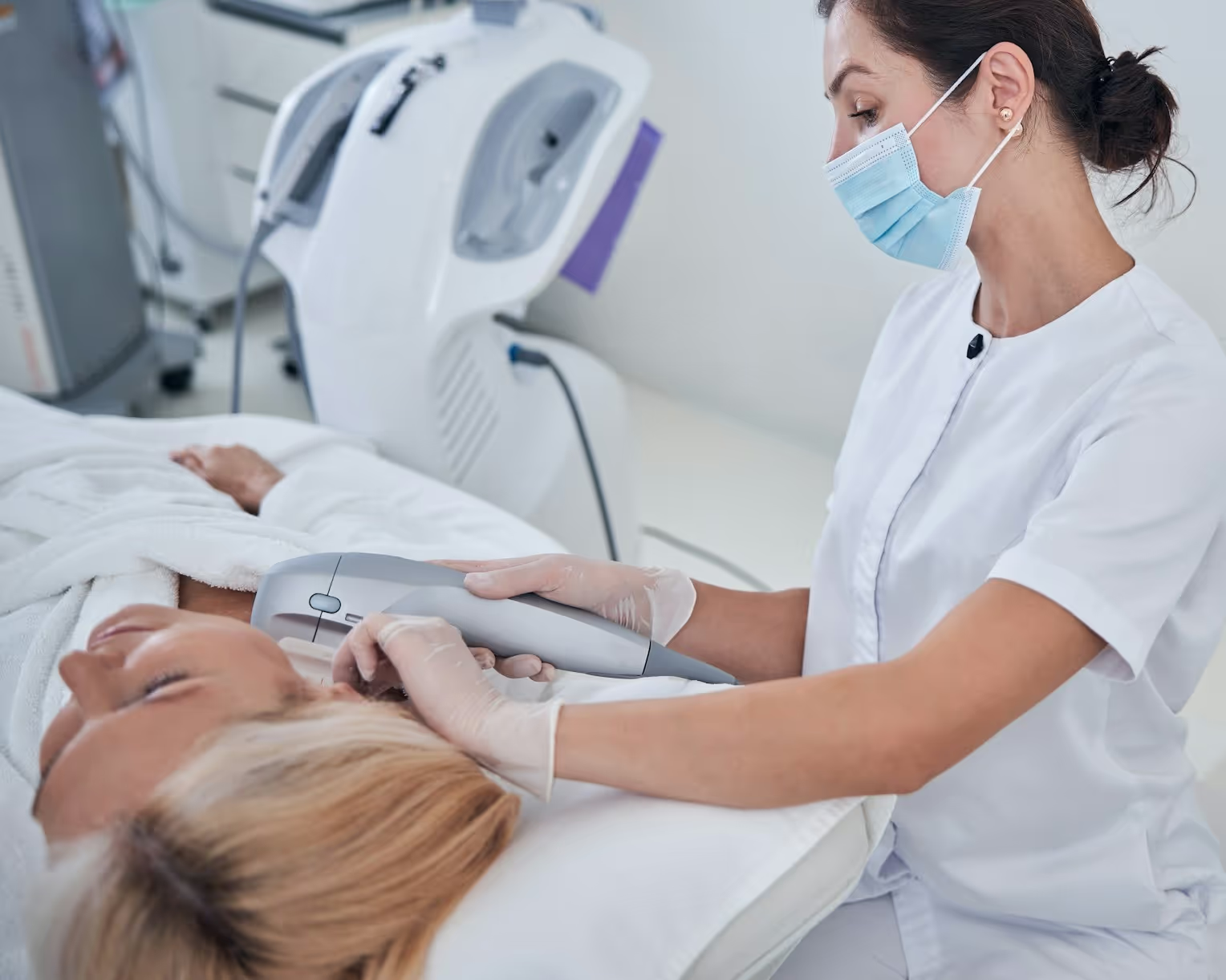
In an era where technological innovation meets personal care, Intense Pulsed Light (IPL) treatments have become a favorite among those pursuing non-invasive solutions for skin rejuvenation and improvement. IPL is a cutting-edge procedure that uses broad-spectrum light to treat a variety of skin imperfections and has become a staple in modern aesthetic and clinical practices. Whether you're curious about addressing pigmentation concerns, reducing redness, or simply achieving a smoother, more even skin tone, this guide offers an in-depth look into how IPL treatments work, their benefits, and what you can expect from a session.
What Are IPL Treatments?
Intense Pulsed Light (IPL) is a versatile technology that uses high-intensity pulses of light to target and treat specific skin concerns. Unlike lasers that utilize a single wavelength, IPL employs a broad spectrum of light wavelengths to treat multiple conditions in one session. This flexibility makes IPL treatments effective for a diverse range of issues such as:
- Pigmented lesions and age spots
- Sun damage and freckles
- Vascular conditions like broken capillaries and rosacea
- Unwanted facial hair
- Fine lines and uneven skin texture
The non-invasive nature of IPL means there is typically little to no downtime, making it an attractive treatment option for patients seeking noticeable improvements with minimal interruption to daily life.
The Science Behind IPL
At the heart of IPL technology is the concept of selective photothermolysis—using light energy to target specific chromophores (pigments) within the skin without damaging surrounding tissues. Here’s how it works:
- A high-intensity flash of light is emitted from the device, covering a broad spectrum of wavelengths.
- The light is absorbed by specific targets in the skin, such as melanin (the pigment responsible for age spots and freckles) or hemoglobin (found in vascular lesions).
- Once absorbed, the light energy converts into heat, which destroys the pigment or abnormal blood vessels, prompting the body’s natural healing process to smooth and rejuvenate the treated area.
Because the wavelengths can be adjusted to suit individual skin types and treatment goals, IPL systems are highly customizable. This adaptability has been a key factor in their popularity across various clinical and cosmetic settings.
Understanding the Procedure
An IPL session begins with a thorough consultation to determine your skin type, specific concerns, and overall treatment objectives. During the procedure, here's what you can typically expect:
- Protective eyewear is provided to shield your eyes from the intense light.
- A cooling gel may be applied to the treatment area; this not only enhances the light’s penetration but also provides comfort throughout the session.
- The IPL device is then adjusted to deliver pulses of light tailored to your skin’s needs.
- With each pulse, you may feel a sensation similar to a rubber band snapping against the skin—a sign that the light energy is actively working on the target areas.
The entire session can last anywhere from 20 to 45 minutes depending on the size and number of areas being treated. Post-treatment care generally includes applying soothing creams or cool compresses, and patients are advised to avoid direct sun exposure to protect the healing skin.
Benefits of IPL Treatments
The appeal of IPL treatment lies in its multi-faceted benefits and its ability to cater to a wide range of skin concerns. Some of the most notable advantages include:
- Versatility: With the ability to target various conditions—pigmentation, vascular issues, fine lines, and hair removal—IPL serves as a comprehensive solution for skin rejuvenation.
- Non-Invasiveness: IPL is a non-surgical procedure that typically requires minimal downtime, allowing for immediate return to daily activities.
- Customization: The broad range of adjustable wavelengths means that treatments can be tailored to meet the specific needs of each patient, ensuring a personalized care experience.
- Safety: When performed by trained professionals, IPL treatments are safe for most skin types and offer a controlled, predictable outcome.
Clinical Applications of IPL
Beyond cosmetic improvements, IPL has found significant value in clinical settings. Dermatologists and aesthetic practitioners often incorporate IPL into broader treatment plans to address conditions such as:
- Photoaging: Reversing sun damage and improving skin texture.
- Vascular lesions: Reducing the appearance of rosacea, spider veins, and broken capillaries.
- Pigmentation irregularities: Minimizing age spots, melasma, and uneven complexion.
- Hair removal: Utilizing IPL as a long-term solution for reducing unwanted hair growth.
Its dual utility in both cosmetic refinement and therapeutic intervention makes IPL treatments a compelling option for practitioners seeking to enhance patient outcomes holistically.
Safety Considerations and Contraindications
While IPL treatments are generally safe, it is essential to consider potential contraindications and follow professional advice closely:
- Skin Sensitivity: Individuals with very sensitive skin or those prone to blistering should have a thorough consultation before treatment.
- Photosensitive Conditions: If you are taking medications that increase sensitivity to light, such as certain antibiotics or retinoids, discuss these with your healthcare provider beforehand.
- Recent Sun Exposure: It is advisable to avoid IPL treatments if your skin has recently been tanned or sunburned, as these conditions can increase the risk of adverse reactions.
- Preexisting Disorders: Certain skin conditions may require alternative treatments, so a personalized assessment is crucial.
Following proper pre- and post-treatment guidance ensures that IPL remains both effective and safe for each individual.
Frequently Asked Questions (FAQs)
Q: What conditions can IPL effectively treat?A: IPL is effective for various concerns including pigmentation issues, vascular lesions, signs of photoaging, and unwanted hair removal. Its adjustable settings make it suitable for a wide range of skin types.
Q: Does IPL treatment hurt?A: While sensations vary from person to person, most patients describe the feeling as a quick, snapping sensation. Modern devices often incorporate cooling systems to enhance comfort during treatment.
Q: How many sessions will I need?A: The number of sessions required depends on the condition being treated, the individual’s skin type, and the desired outcome. Typically, multiple sessions are recommended for optimal results.
Q: Is there any downtime after IPL treatment?A: IPL treatments generally involve minimal downtime. Some redness or mild swelling may occur immediately after the procedure, but these effects usually subside within a few hours to a couple of days.
Integration in Clinical Settings
Increasingly, IPL treatments are being integrated into clinical practices—not just in dedicated dermatology clinics but also in multi-disciplinary medical centers. This integration reflects a growing understanding that aesthetic enhancements are an essential component of comprehensive patient care. Clinics that offer IPL treatments demonstrate a commitment to innovative, patient-centered solutions that go beyond traditional therapeutic approaches.
Conclusion
Intense Pulsed Light (IPL) treatments represent a perfect blend of advanced technology and personalized care, offering a non-invasive solution to a host of skin concerns. Whether your goal is to rejuvenate your complexion, reduce signs of sun damage, or achieve long-lasting hair reduction, IPL provides a safe, customizable, and effective option. As more professionals in clinical and aesthetic settings incorporate IPL into their treatment arrays, patients benefit from a holistic approach to skin health that marries scientific innovation with natural beauty enhancement.
By understanding how IPL works, recognizing its benefits, and appreciating the careful considerations involved, you can make an informed decision about whether this treatment aligns with your personal wellness goals. Embrace the light and step confidently toward clearer, more radiant skin.